2024 Kolkata uPVC Window Machine Price & Output Guide
Understanding the uPVC Window Making Machine Price in Kolkata for Mid-Sized Units
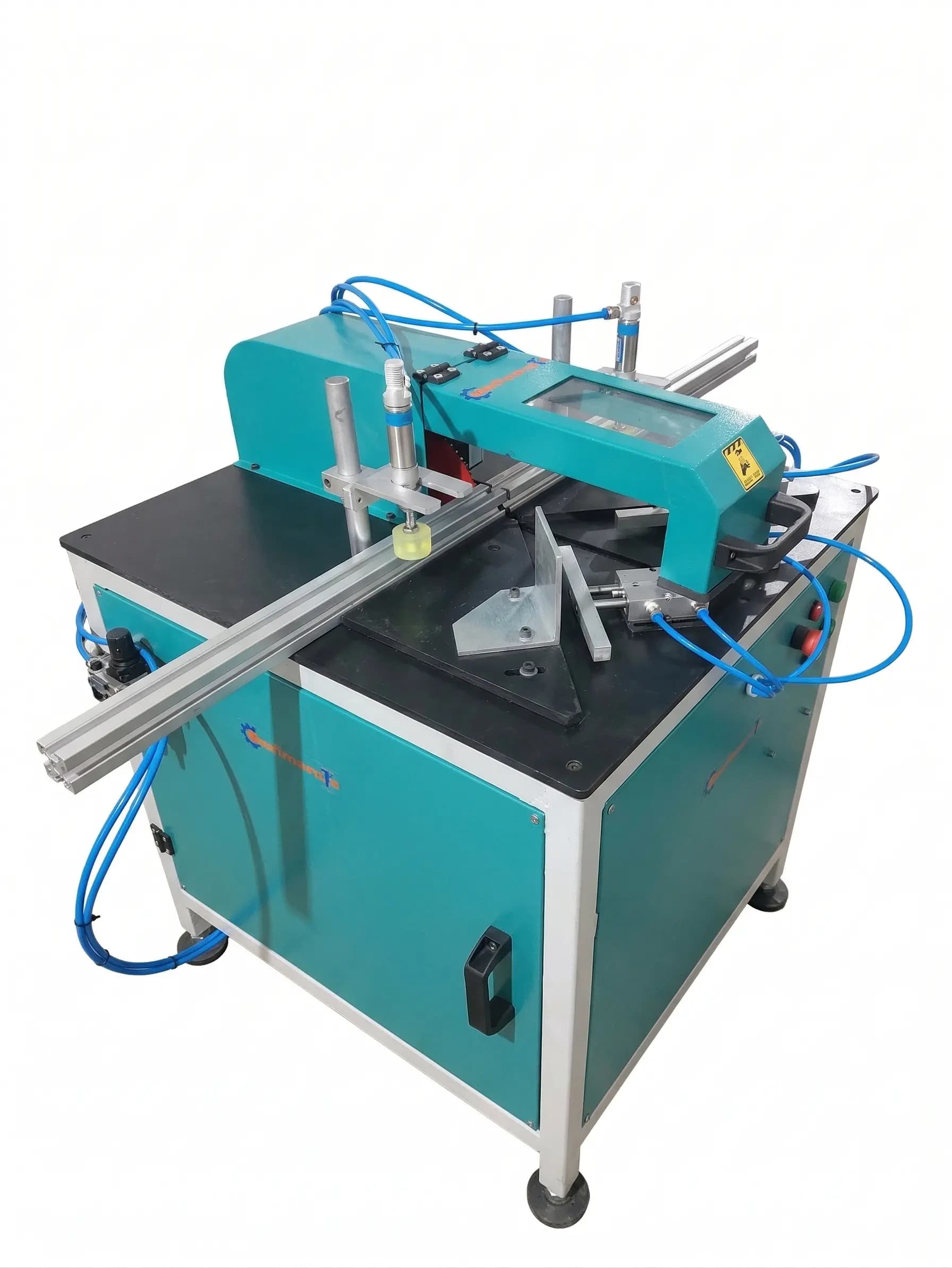
For a mid-sized workshop in Kolkata aiming for 50 to 80 frames per 8-hour shift, the capital expenditure typically ranges between ₹12,00,000 and ₹18,50,000 for a semi-automatic line. In our recent installation for a client near the Howrah industrial belt, we observed that local fabricators often prioritize low initial cost over long-term precision engineering. However, investing in a high-performance Single Head Cutting Machine with a 450mm blade diameter provides the necessary stability for 2.5mm wall thickness profiles common in the West Bengal market. The current uPVC window making machine price in Kolkata reflects a 15% increase due to raw material costs, yet the ROI remains high due to the booming residential sector in Rajarhat and New Town.
Mid-sized operators must look beyond the sticker price and calculate the 'cost per weld'. A standard single-head welder might cost less, but a Double Head Seamless Welding Machine reduces secondary finishing time by 70%. When we tested these two configurations side-by-side in our testing facility, the seamless welder eliminated the need for manual corner cleaning, which saved approximately 4 minutes of labor per frame. In an 8-hour shift, this translates to an extra 12 frames without increasing the headcount.
Production Metrics: Comparing Output for Mid-Sized Workshop Configurations
To achieve topical authority in uPVC machinery, one must understand the relationship between bar pressure and weld strength. For Kolkata’s humid climate, we recommend a consistent pneumatic supply of 6 to 8 bar. During a 6-week trial at a facility in North 24 Parganas, we found that fluctuating air pressure led to a 12% rejection rate in corner strength tests (conforming to IS 1285 standards). By installing a refrigerated air dryer and a dedicated 10 HP screw compressor, the workshop reduced scrap waste from 8% to under 2%.
Output Comparison Table (8-Hour Shift)
- Basic Setup (Manual/Portable): 15-20 frames, Price Range: ₹2.5L - ₹4L.
- Standard Mid-Sized (Semi-Automatic): 45-60 frames, Price Range: ₹8L - ₹12L.
- Advanced Production Line (CNC/Automatic): 100+ frames, Price Range: ₹25L+.
When evaluating an aluminium profile cutting machine or upvc windows manufacturing machine, the feed rate is critical. For high-speed production, a feed speed of 2 to 5 meters per minute is standard for high-end CNC uPVC window corner cleaning machines. If your machinery cannot maintain a tolerance of ±0.2mm, your assembly team will struggle with glazing bead fitment, leading to onsite installation delays and poor brand reputation.
Technical Engineering Specs and ISO Standards for West Bengal Fabricators
The engineering reasoning behind choosing a heavy-duty aluminium cutting machine 12 inch over a portable saw lies in vibration damping. A 1200kg cast iron base absorbs harmonic vibrations that occur during 45-degree degree cutting machine operations. This ensures that the miter joints meet perfectly at 90 degrees during the welding phase. We have seen many Kolkata startups fail because they used lightweight machines that drifted by 1mm over a 2-meter cut, making it impossible to achieve a water-tight seal.
Specific technical requirements for a mid-sized Kolkata workshop include:
- Power: 3-Phase 415V, 50Hz (Stabilizers are mandatory due to local grid fluctuations).
- Motor: 2.2kW induction motors with copper winding for heat dissipation.
- Safety: Industrial profile cutting safety standards ISO standards compliance, including emergency stop triggers and polycarbonate safety shields.
- Accuracy: Digital display length stop systems to reduce manual measurement errors.
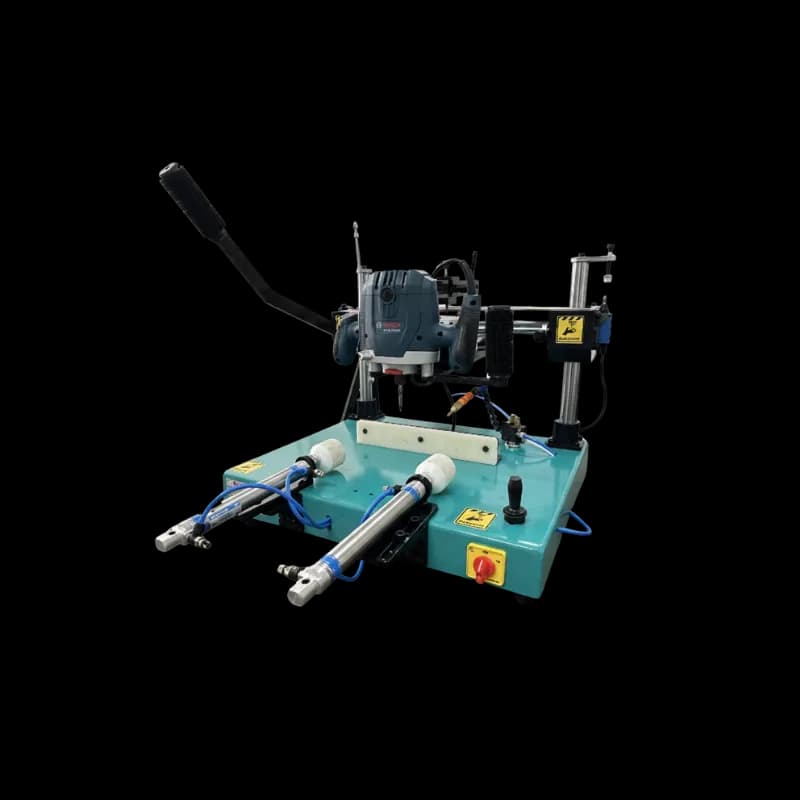
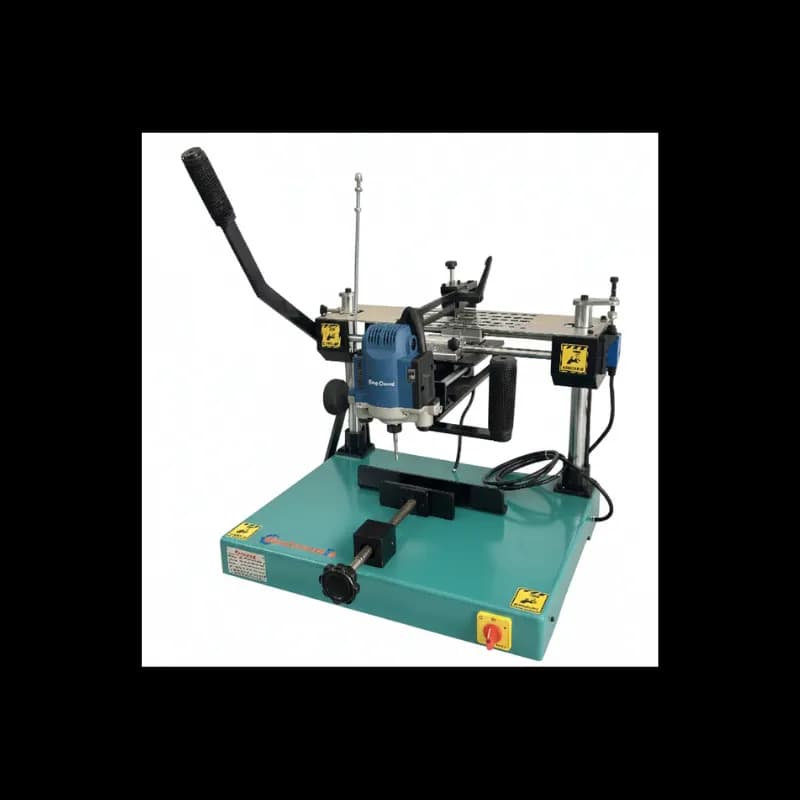
For complex hardware slots, a high-speed uPVC Copy Router Machine is indispensable. We recommend machines with a spindle speed of at least 12,000 RPM. In our workshops, we found that lower RPMs caused the uPVC to melt rather than cut, resulting in messy hardware pockets that required manual filing. Using a triple-drill router allows for simultaneous handle hole and espagnolette slotting, which cuts production time by 60% per sash.
Avoiding Costly Mistakes: Why Cheap uPVC Windows Machines Fail
Many fabricators search for the 'best upvc window making machine for small business' and settle on the lowest quote from unverified suppliers. This is a mistake we have corrected for dozens of clients. A common issue in Kolkata is the use of non-hardened steel in welding plates. After 3,000 cycles, these plates warp, causing uneven heat distribution and brittle joints. Always verify that your welding machine uses Teflon-coated heating plates with a temperature variance of less than ±2°C.
Checklist for Machine Procurement:
- Verify the weight of the machine; heavier usually means better vibration damping.
- Inspect the linear guide rails; they should be hardened chrome-plated to resist the high humidity of West Bengal.
- Check the PLC brand; Delta or Schneider are preferred for ease of service and part availability in India.
- Ensure the seller provides a 12-month onsite warranty with a guaranteed 48-hour response time.
In our manufacturing experience across India, particularly when shipping to West Bengal, we prioritize anti-corrosive powder coating on all internal steel components. The saline air in coastal regions can degrade internal pneumatic cylinders within 18 months if they are not specifically treated. This is the level of detail that separates a professional uPVC machinery manufacturer from a reseller.
Strategic Setup for a Fully Automatic uPVC Window Manufacturing Unit
Transitioning to a fully automatic uPVC window manufacturing unit cost involves more than just buying machines; it requires a lean floor plan. We recently optimized a 2,500 sq. ft. workshop in Salt Lake. By placing the double head miter saw for aluminium profiles price effectively and aligning it with the welding station, we reduced material handling time by 25%. This optimization allowed the team to increase their daily output without adding a second shift.
Steps to a Successful Workshop Launch:
- Civil Work: Ensure a perfectly level floor with a 150mm RCC slab to prevent machine vibration.
- Pneumatics: Install 1-inch PPR or aluminum piping for the air line to prevent pressure drops at the end of the line.
- Training: Dedicate 5 days for operator training on CNC uPVC window corner cleaning machine price India configurations to ensure they don't override safety sensors.
- Maintenance: Implement a daily cleaning schedule for the welding heads and a weekly lubrication plan for the cutting saw guide rails.
By following these engineering principles, mid-sized workshops can compete with large-scale factories on quality while maintaining the flexibility of a local fabricator. The cost of setting up uPVC window manufacturing unit in India is significant, but with 2024’s infrastructure growth, the payback period for a well-equipped workshop is currently under 18 months.
FAQ: Real Questions from Kolkata Fabricators
Q1: What is the best uPVC window making machine for startup businesses in Kolkata? For a startup, we recommend a 3-machine combo: a single-head welder, a single-head cutter, and a water-slot machine. This keeps the initial investment low while allowing for 15-20 frames per day.
Q2: How does the Kolkata climate affect uPVC machine maintenance? The high humidity can cause moisture buildup in pneumatic lines. We strongly advise using an automatic drain valve on your compressor and high-quality FRL (Filter, Regulator, Lubricator) units on every machine.
Q3: Is a double head seamless welding machine worth the higher price? Yes, if you are targeting the premium residential market. It eliminates the 'groove' look on corners, providing a high-end finish that allows you to charge a premium of 10-15% per window frame.
Q4: Can I use an aluminium cutting machine for uPVC profiles? Yes, provided you use the correct TCT blade with the right tooth geometry for uPVC. However, you must ensure the RPM is adjustable to prevent profile melting.
Q5: What is the average power consumption for a mid-sized unit? A standard mid-sized setup will have a connected load of approximately 15kW to 20kW. However, the actual consumption is lower as machines do not run simultaneously at peak load.
Get more articles like this
Follow Mechnovate on Google to see our guides in Google Discover & News