2024 Cost Guide: uPVC Window Manufacturing Unit in Delhi-NCR
Setting up a uPVC window manufacturing unit in Delhi-NCR for 2024 requires a capital investment ranging from ₹8.5 Lakhs for a basic manual setup to over ₹42 Lakhs for a high-output CNC-driven facility. In the Delhi market, where property costs and competition are high, your ROI depends entirely on machine uptime and profile wastage control. Based on our 15 years of engineering experience at Mechnovate, a mid-range semi-automatic plant capable of 40-50 frames per day typically costs approximately ₹18-22 Lakhs excluding GST and shed costs.
Estimated Cost of Setting Up uPVC Window Manufacturing Unit in India
The total investment is split between machinery, infrastructure, and working capital. In the Delhi-NCR industrial hubs like Okhla, Bawana, or Noida, your fixed costs are influenced heavily by power load requirements and space optimization.
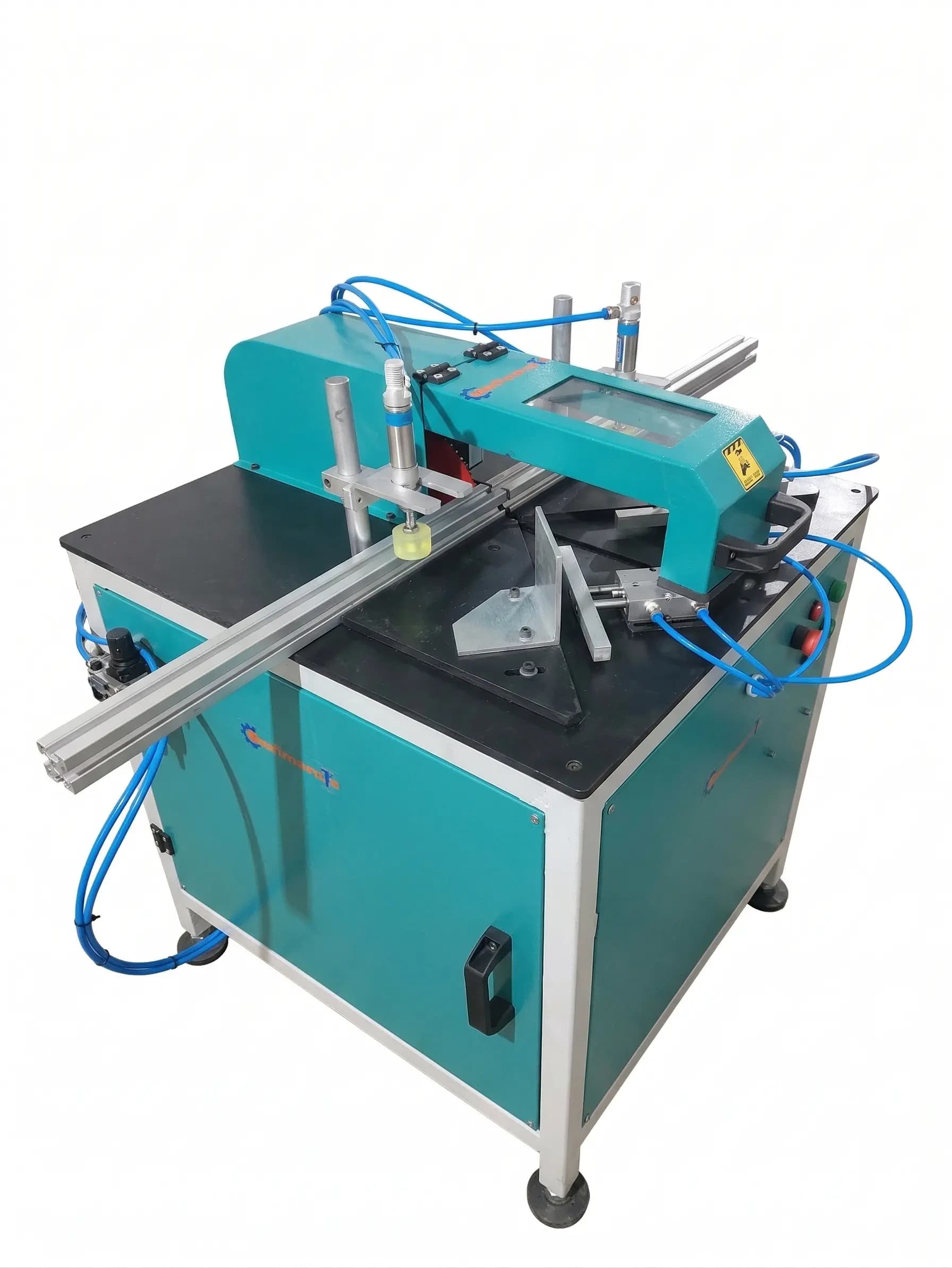
- Entry-Level Setup (Manual/Single Head): ₹8.5 Lakhs – ₹12 Lakhs. Ideal for small contractors focusing on residential renovations. Includes a upvc cutting machine (single head), a basic welding unit, and manual cleaning tools.
- Professional Semi-Automatic Line: ₹18 Lakhs – ₹28 Lakhs. This is the 'sweet spot' for most Delhi fabricators. It features an automatic upvc window plant cost India structure with double-head cutting and high-precision welding.
- Fully Automatic CNC Line: ₹45 Lakhs+. Designed for high-volume projects and institutional sales, utilizing 4-head welders and CNC corner cleaners to reduce labor by 60%.
Core Technical Specifications for Delhi-NCR Fabricators
When evaluating a upvc window manufacturing machine, generic specs won't suffice for Delhi’s power fluctuations and dust levels. You must insist on machines that maintain a 0.2mm tolerance. For instance, a high-quality upvc welding machine should operate at a temperature range of 240°C to 260°C with an electronic PLC to control heating time precisely.
- Air Pressure Requirements: Your compressor must consistently deliver 6 to 8 bar pressure. Fluctuations below 5 bar will cause inconsistent clamping, leading to failed weld tests and profile rejection.
- Motor Capacity: Look for 2.2kW to 3kW motors in your aluminium cutter machine to handle multi-chamber profiles without RPM drops.
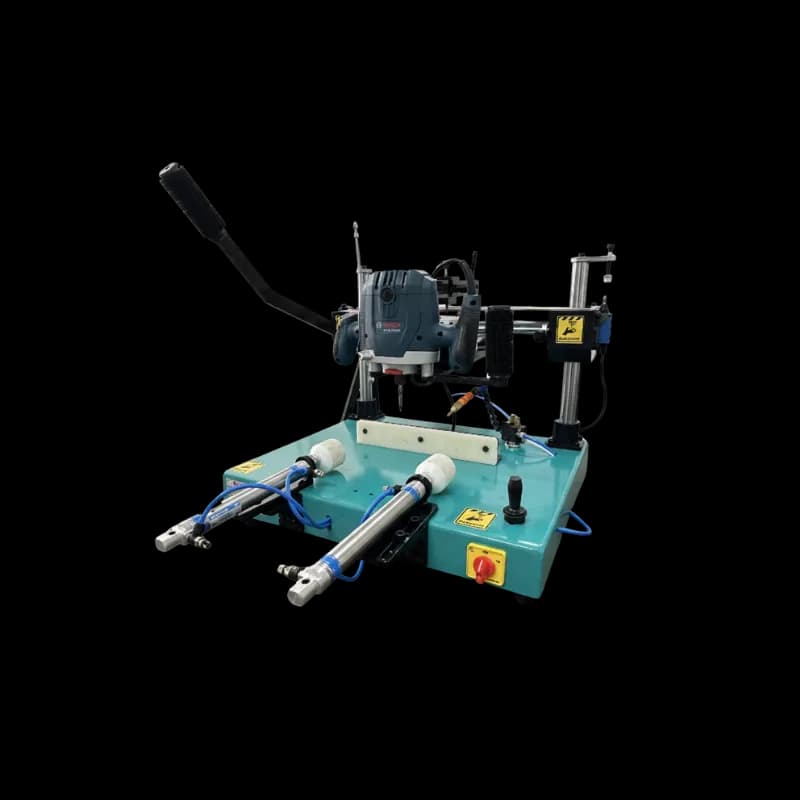
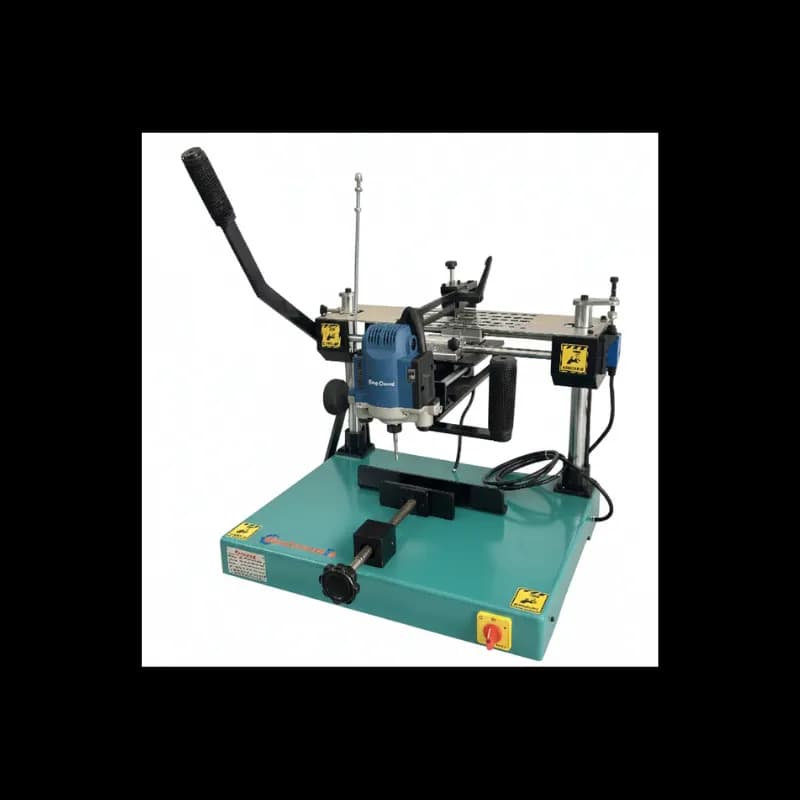
- Copy Routing: A high-speed copy router machine should operate at 12,000 RPM minimum to ensure burr-free slots in 2.5mm thick uPVC walls.
Case Study: Optimizing a 1,500 Sq. Ft. Facility in Noida
In early 2023, we commissioned a facility in Noida Sector 63. The client was initially losing 12% of their profile stock to 're-cuts' due to manual measurement errors. We replaced their legacy upvc window machine with a 45-degree double head cutting machine featuring a digital display system.
The Results Over 6 Months:
- Wastage Reduction: Dropped from 12% to 2.8% by implementing a cloud-based optimization software integrated with the upvc cutting machine.
- Output Increase: Increased from 18 windows/day to 42 windows/day with the same 4-man workforce.
- Energy Savings: By upgrading to a variable frequency drive (VFD) on the dust extractor, we reduced the monthly electricity bill by ₹4,500.
Critical Infrastructure and Power Requirements
To run a professional upvc windows manufacturing machine setup in Delhi, you need a minimum of 1,500 to 2,000 sq. ft. of floor space. This allows for a linear flow: Profile Storage > Cutting > Routing > Reinforcement > Welding > Corner Cleaning > Glazing.
- Power Load: A standard semi-automatic line requires a 15kW to 20kW three-phase connection. Ensure your upvc window manufacturing machinery is protected by a 40kVA mainline stabilizer to prevent PCB burnout from Delhi’s frequent voltage spikes.
- Pneumatic Piping: Never use flexible PVC pipes for your main air line; use 1-inch aluminum or PPR piping. This prevents pressure drops that cause the upvc welding machine to misalign during the melting phase.
- Floor Leveling: A variation of even 5mm across the shop floor will lead to frame warping. We recommend a self-leveling epoxy floor coating for high-precision upvc windows machinery installation.
Avoiding Costly Fabricator Mistakes
Many new entrants focus solely on the aluminium cutting machine price and ignore the cost of poor-quality tooling. Using a low-grade 12-inch TCT blade in your aluminium cutter machine 12 inch will result in 'chipping' on the profile edges. This requires manual sanding, which adds 5 minutes of labor per frame and ruins the aesthetics.
Always verify the thickness of the heating plate in your welding unit. Cheap machines use 10mm plates that lose heat rapidly; insist on 20mm Teflon-coated plates for thermal stability. Furthermore, ensure your copy router machine has a triple-hole drilling attachment. Drilling handle holes manually is the fastest way to ruin a ₹4,000 profile section.
FAQ: Real Questions from the Workshop Floor
Q: Can I use an aluminium cutting machine for uPVC profiles? Yes, but you must change the blade. An aluminium profile cutting machine typically runs at a lower RPM than a dedicated uPVC saw. For uPVC, you need a high-tooth-count TCT blade to prevent melting the plastic during the cut.
Q: What is the maintenance schedule for a upvc welding machine? You must clean the Teflon cloth daily and replace it every 500-700 welds. Lubricate the linear guide rails weekly with ISO VG 32 grade oil to ensure the moving head doesn't develop 'play,' which causes uneven joints.
Q: Is it better to buy a single-head or double-head upvc cutting machine? If your budget allows, always choose a double-head 45 degree double head cutting machine. It cuts both ends of the profile simultaneously, guaranteeing a perfect 90-degree frame fit. A single-head machine requires the operator to flip the profile, doubling the chance of measurement errors.
Get more articles like this
Follow Mechnovate on Google to see our guides in Google Discover & News